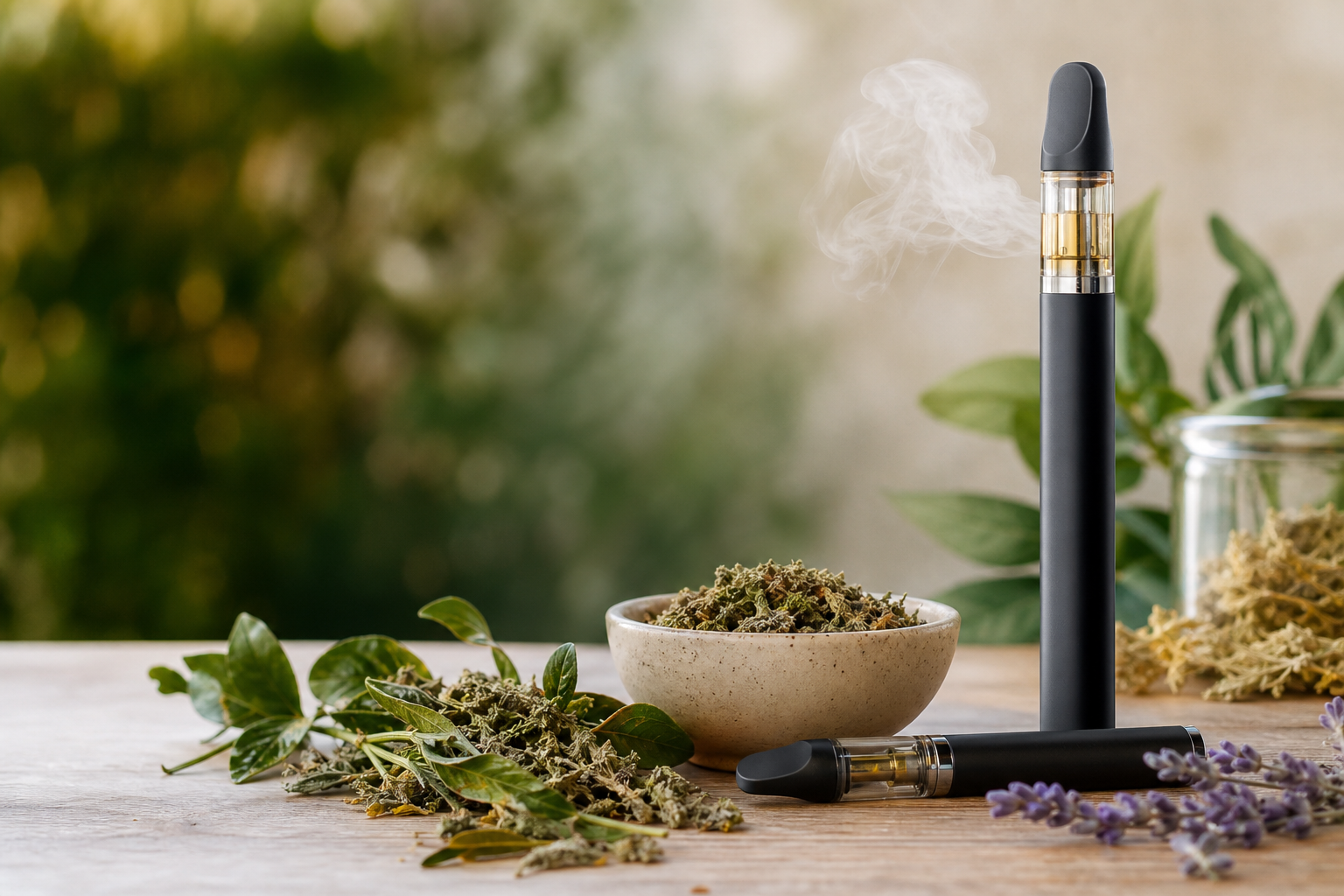
Botanical vapes have moved from a small corner of the market into a highly visible part of modern inhalation culture. Alongside conventional nicotine devices and cannabis-focused products where legal, consumers now encounter products marketed around herbs, botanicals, aromatics, and plant-derived ingredients.
The appeal is easy to understand. Many adults are interested in alternative wellness products, novel flavors, and routines that feel more connected to plant-based ingredients. But “botanical” is a description, not a safety guarantee. The growth of this category makes careful labeling, realistic expectations, and informed purchasing more important than ever.
What Is Driving Herbal Vape Interest?
Herbal vape trends reflect several overlapping consumer preferences. Some people want products that do not contain nicotine. Others are drawn to familiar plant names or botanical extracts that have long appeared in teas, tinctures, fragrance, and topical products. Convenience also matters: vape devices are portable, discreet, and simple to use compared with many traditional forms of botanical preparation.
Manufacturers have responded with disposable devices, refillable systems, cartridges, and blends built around flavor profiles or plant-forward marketing. Product labels may refer to essential oils, terpene blends, herbal extracts, or botanical-derived flavor compounds. These terms can sound similar while meaning very different things in practice.
That distinction matters because an ingredient’s history of oral use does not establish that it is suitable for inhalation. A botanical that is commonly brewed into tea may behave differently when heated, aerosolized, and drawn into the lungs. Consumers should not assume that “natural,” “herbal,” or “plant-based” means low-risk.
Botanical Extracts Need More Scrutiny, Not Less
Botanical extracts are not one uniform category. Their composition can vary based on the plant source, extraction method, concentration, carrier liquid, flavor system, and production controls. Two products using the same broad plant name may have very different chemical profiles.
A responsible manufacturer should be able to identify what is actually in the product rather than relying on vague front-label language. Look for clear ingredient lists, batch information, age restrictions, and testing information where it is available. Avoid products that make sweeping health promises, fail to name their active ingredients, or offer no practical way to contact the company.
This is especially relevant when brands borrow the language of wellness. Relaxation, focus, mood, and energy are common marketing themes, but consumers should be cautious about products presented as treatments or substitutes for medical care. The route of administration changes the risk calculation, and the evidence behind many inhaled botanical formulations remains limited.
Kratom Products and the Inhalation Question
Kratom products are often discussed in the wider botanical marketplace, but they deserve their own level of caution. Kratom has traditionally been associated with processed leaf products intended for oral use, not routine vaping. The fact that an ingredient is sold in one format does not establish that it is appropriate, tested, or lawful in another.
For consumers who follow kratom news, this point is important: a product marketed with kratom imagery or terminology should not be treated as equivalent to conventional kratom powder, capsules, or other oral formats. Ask exactly what the device contains. Is it a kratom-derived ingredient, a botanical blend using the name loosely, a flavor concept, or something else entirely? If the answer is unclear, leave it alone.
People who use medications, have underlying health conditions, are pregnant or breastfeeding, or have a history of substance-use concerns should speak with a qualified healthcare professional before using products containing potentially active botanicals. Mixing inhaled products with alcohol, sedatives, stimulants, or other drugs can add uncertainty and risk.
Vape Regulations Are Still Catching Up
Vape regulations vary sharply by country, state, province, and municipality. Rules may govern nicotine content, packaging, age verification, product registration, labeling, marketing claims, flavors, retail licensing, and where vaping is permitted. A product that is legal to buy in one jurisdiction may be restricted or prohibited in another.
Kratom regulation is similarly uneven. Some locations allow certain kratom products, while others restrict or ban them. Local rules may also distinguish between raw botanical material, extracts, finished consumer products, and products intended for inhalation. Consumers and retailers should verify current law with their relevant health, consumer-protection, or regulatory authority rather than relying on old social-media posts or an out-of-state seller’s claims.
Recent vape industry news has also underscored a basic point: enforcement often focuses on products that are unregistered, mislabeled, directed toward minors, or marketed with unsupported claims. Compliance is not merely a paperwork issue. It affects whether consumers can identify the product, understand its contents, and make an informed decision.
Responsible Vaping Starts Before the Purchase
Responsible vaping means being selective about products and honest about uncertainty. It is not enough to choose a device because the packaging looks clean or the ingredient list includes plants.
Useful vape safety tips include:
- Buy from established sellers that provide identifiable business information and follow local age-verification rules.
- Read the full label, including nicotine disclosure, ingredients, warnings, and directions for use.
- Do not use products with damaged packaging, leaking cartridges, unusual odors, missing labels, or questionable provenance.
- Avoid modifying devices, mixing your own liquids without expertise, or using liquids in hardware not designed for them.
- Keep devices and liquids away from children and pets; concentrated liquids can be hazardous if swallowed or spilled.
- Stop using a product if it causes chest discomfort, breathing difficulty, dizziness, persistent coughing, or other concerning symptoms, and seek medical advice when appropriate.
- Do not drive, operate machinery, or combine substances if a product may impair attention or judgment.
Adults who do not already use nicotine or inhaled products should recognize that there is no health-based reason to begin vaping simply because a product is botanical. For current users, reducing uncertainty means choosing transparent products, avoiding counterfeit or informal-market devices, and keeping expectations grounded.
A Market That Needs Clearer Standards
The future of botanical vapes will depend less on eye-catching plant imagery and more on whether companies can meet higher expectations for quality control and candor. Clear differentiation between flavoring, aromatic ingredients, botanical extracts, and pharmacologically active compounds would help consumers compare products more intelligently.
Better standards would also make it easier to separate serious operators from brands that use vague wellness language to obscure what is in the device. Independent testing, accurate labeling, child-resistant packaging where required, and restraint in marketing are practical safeguards—not barriers to innovation.
For readers interested in botanical products and kratom products, the most sensible approach is deliberate skepticism. Pay attention to current vape regulations and kratom regulation, avoid treating inhalation as interchangeable with traditional oral use, and prioritize products whose contents and limitations are plainly disclosed. Plant-based branding may be a trend, but responsible choices still come down to evidence, transparency, and personal caution.