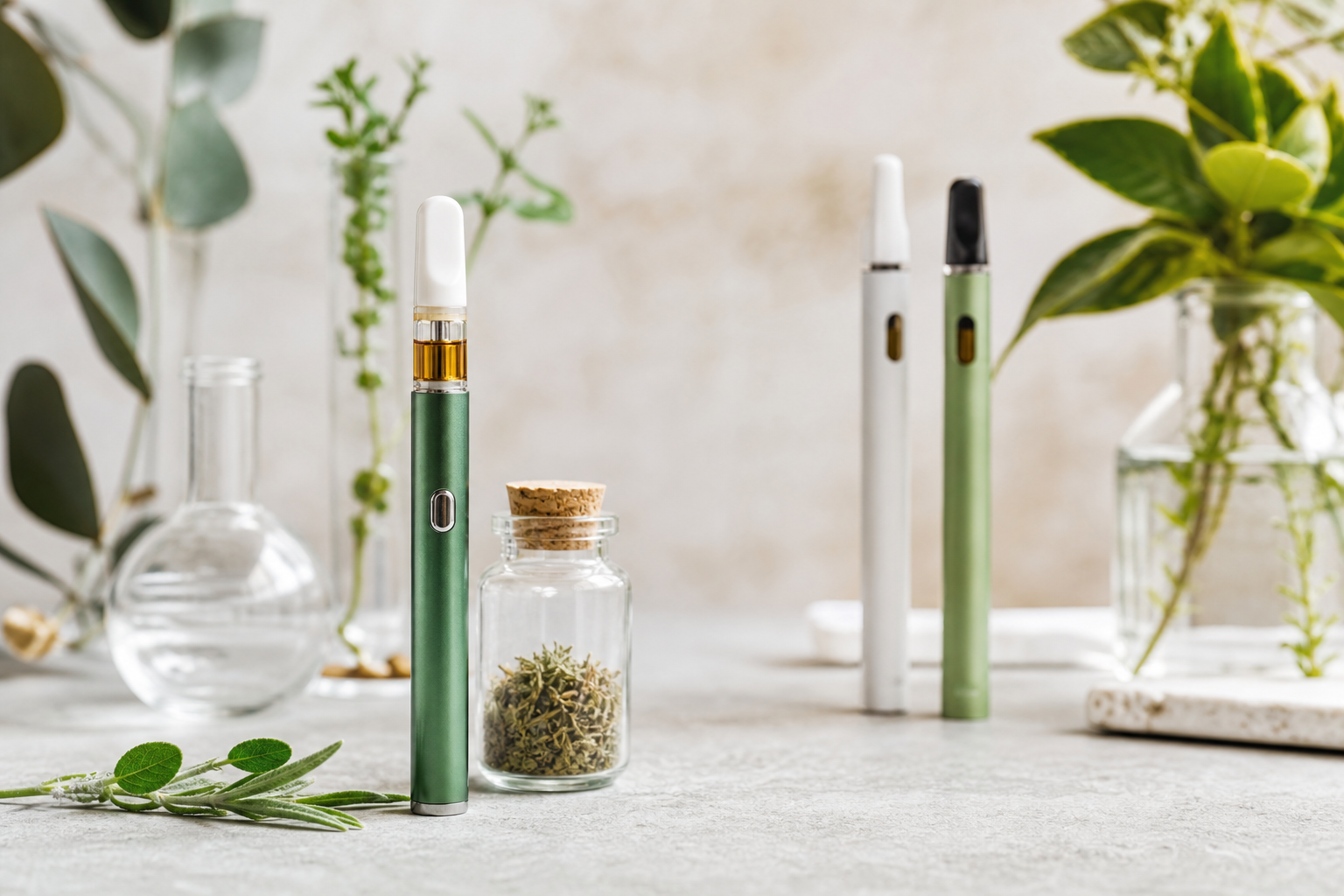
Botanical vape alternatives have moved from the margins of specialty retail into a more visible part of the wider inhalable-products market. They are often presented as nicotine-free options, as flavor-forward devices, or as products built around herbs and plant-derived compounds rather than conventional tobacco. For consumers, the appeal may be curiosity, a desire to avoid nicotine, or interest in the broader movement toward plant-based wellness products.
That appeal should not be confused with a blanket safety endorsement. A plant ingredient is not automatically suitable for heating and inhalation, and a product that is nicotine-free is not necessarily risk-free. The category is expanding faster than public understanding of its ingredients, manufacturing practices, and legal status. That makes careful product selection and responsible vaping especially important.
Why the Category Is Growing
Several vape industry trends have created space for herbal vape alternatives. Some adults are seeking alternatives to combustible products. Others want choices without nicotine, while experienced consumers may be looking beyond the familiar flavor profiles and formulations of mainstream vape devices.
Herbal wellness trends also play a role. Consumers already encounter botanical ingredients in teas, tinctures, capsules, and topical products, so botanical inhalables can seem like a natural extension. But the delivery method changes the question. A botanical that is familiar in a beverage or supplement may behave very differently when exposed to heat, aerosolized, and inhaled.
The market itself is not one uniform category. “Botanical vapes” can describe dry-herb vaporizers, disposable devices, refillable liquids, cartridges, or blends marketed around particular plant ingredients. The actual experience—and the relevant safety concerns—can differ substantially between these formats. A dry-herb device heats raw plant material, while a liquid device relies on a formulated mixture that may contain carriers, flavorings, extracts, and other ingredients.
For people interested in botanicals such as kratom, that distinction is particularly significant. Traditional uses of a plant do not establish that vaporizing its compounds is appropriate. The chemistry of an extract, the effects of heat, and the toxicology of inhalation all need separate consideration.
Regulation Is Often Uneven
Vape regulations are shaped by product type, ingredients, jurisdiction, marketing claims, and the intended consumer. Rules can apply at national, state, and local levels, and they may change quickly. A retailer or manufacturer operating responsibly must look beyond the label claim that a device is “herbal” or “natural.”
In many markets, products containing nicotine face specific restrictions related to age access, packaging, warnings, sales channels, and authorization. Products without nicotine may fall into a less clearly defined space, but that does not mean they are exempt from all oversight. Consumer-product rules, ingredient restrictions, labeling requirements, and laws governing controlled or restricted substances may still apply.
Botanical ingredients can add another layer of complexity. A plant may be lawful in one place and restricted in another. Products marketed with therapeutic or disease-related claims can also attract closer scrutiny than products marketed simply as consumer goods. Sellers and buyers should be cautious when a brand makes broad promises about relaxation, energy, pain, mood, or quitting smoking. Such claims deserve evidence, not just attractive packaging.
For consumers, the practical lesson is straightforward: verify local rules before buying, traveling with, or ordering a product. For businesses, compliance should be treated as an ongoing operational responsibility, not a one-time label review.
What Vape Product Quality Actually Means
Vape product quality is more than a sleek device and a list of botanical ingredients. It includes traceability, formulation control, contaminant screening, accurate labeling, and hardware performance. A quality-focused manufacturer should be able to identify what is in the product, where key inputs came from, and how it has been tested.
The strongest signals are specific rather than vague. “Clean,” “pure,” and “premium” are marketing words unless a company provides meaningful supporting information. Consumers should look for product-specific documentation and clear answers about the formulation.
Useful quality indicators include:
- A complete ingredient list, including carriers, flavorings, extracts, and additives.
- Batch or lot identification that links the product to manufacturing records.
- Independent testing relevant to the product, such as screening for contaminants and verification of declared active ingredients where applicable.
- Clear instructions for use, storage, disposal, and device compatibility.
- Packaging that identifies the responsible company and provides a way to ask questions or report a problem.
Lab tested vape products are preferable only when the testing is relevant, current, and tied to the finished product or identifiable batch. A generic certificate with no batch number, an unreadable report, or testing that covers only one raw ingredient should not be treated as proof that the final device is safe.
Ingredient Safety Cannot Be Assumed
Vape ingredient safety is among the hardest issues for consumers to evaluate from a product label. An ingredient may be food-grade yet lack a meaningful record of safe inhalation. Similarly, an extract may be standardized for oral products without being appropriate for a heated aerosol formulation.
Heating can alter compounds. Device temperature, coil materials, liquid composition, and puffing behavior can all influence what reaches the user. Products with poorly defined proprietary blends make this assessment even harder, because consumers cannot tell what they are inhaling or in what approximate amount.
Avoid products that do not disclose their ingredients, rely heavily on exaggerated effects claims, or provide no reliable company information. Be wary of products sold as an unregulated workaround for nicotine, medications, or controlled substances. A lack of regulation is not a quality benefit; it can mean fewer safeguards and less accountability.
People with respiratory conditions, cardiovascular concerns, pregnancy, medication use, or a history of substance-related problems should take particular care and consult an appropriate healthcare professional before using botanical inhalables. Adults who do not currently vape or use nicotine should not view botanical devices as a reason to start inhaling aerosol products.
A More Responsible Path for Brands and Buyers
Responsible vaping means treating botanical alternatives as products that require evidence, restraint, and transparency. Brands should avoid implying that “natural” means harmless or that a vape is a proven wellness tool. They should build quality systems around verified suppliers, documented manufacturing, finished-product testing, complaint handling, and age-appropriate sales practices.
Buyers can reward that approach by choosing transparent companies over mysterious labels and by refusing to purchase products from informal or unverified channels. Follow device instructions, do not modify cartridges or liquids, and stop using a product if it causes unexpected irritation or adverse effects. Report suspected product problems through the appropriate retailer, manufacturer, or local consumer-safety channel.
The future of herbal vape alternatives will depend less on novelty than on whether the category can earn trust. Clear regulation, credible testing, honest labeling, and realistic health communication are the standards that separate a durable market from a short-lived trend.