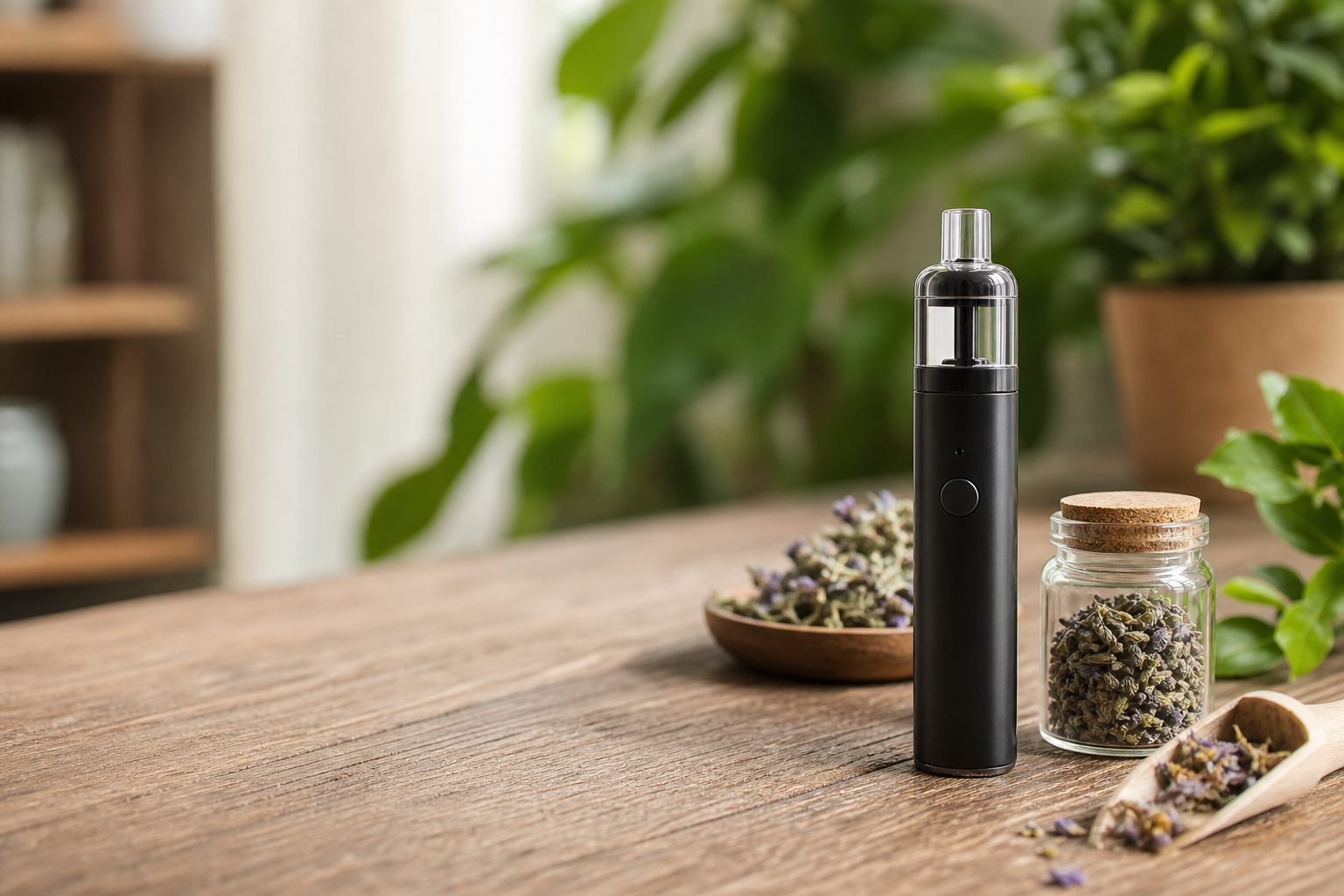
A reliable device is less about finding the strongest option and more about matching the hardware to the material you intend to use. Botanical extracts vary greatly in thickness, purity, carrier ingredients, and ideal heating range. A device that works well with one formulation may clog, overheat, or deliver weak vapor with another.
For people comparing options for herbal extracts, the best choice usually comes down to extract compatibility, temperature control, build quality, and realistic maintenance needs. A thoughtful purchase can make the experience more consistent while reducing the chance of burnt flavor, leaks, or premature device failure.
Start With the Extract, Not the Device
Before shopping, identify the form of botanical extracts you plan to use. This is the most important part of selecting compatible hardware.
Some extracts are formulated as thin liquids intended for a cartridge or pod system. Others are thick oils or concentrates that require a dedicated chamber and a more capable heating element. Dry botanical material calls for a dry-herb vaporizer, which is a separate category from oil and concentrate devices.
Do not assume a device labeled for “herbs” can handle every botanical product. An herbal vape device may be designed for loose-leaf material, pre-filled cartridges, or concentrates, and those designs are not interchangeable. Using the wrong material can damage the coil, restrict airflow, and create harsh vapor.
Check the product packaging and manufacturer guidance for the intended format. If the extract is sold in a threaded cartridge, a compatible battery is often the simplest route. If it is a dense concentrate, look for an herbal concentrate vape with a chamber specifically made for that consistency. Avoid modifying cartridges, thinning extracts with unknown substances, or filling a device that was not designed to be refillable.
Choose a Heating System Built for Consistency
The heating element has a major effect on reliability. Small, inexpensive devices can be convenient, but their performance may vary as the battery drains or as residue builds up. Quality vape hardware generally provides steadier power and uses materials intended to tolerate repeated heating.
For oil cartridges, a battery with a stable connection and a suitable voltage range is usually more useful than one with the highest possible output. Excessive heat can darken an extract, degrade flavor, and make the vapor unpleasant. For concentrates, a chamber with even heating and adequate airflow matters more than oversized clouds.
Pay attention to the device’s contact points and threading. Loose connections are a frequent source of intermittent firing, weak vapor, and apparent battery problems. A well-made device should feel secure when assembled without requiring force. If a cartridge wobbles or only works when held at a certain angle, the hardware is not a dependable long-term choice.
Look for Useful Vape Temperature Control
Vape temperature control is one of the most valuable features when using varied extracts. It gives the user a way to start at a lower setting and adjust only if needed, rather than applying maximum heat by default.
Lower settings often preserve more of an extract’s flavor and can be easier on the heating element. Higher settings may be appropriate for particularly thick formulations, but they also raise the chance of scorching material or creating a burnt taste. The right setting depends on the formulation, cartridge design, and airflow—not simply on the desired vapor volume.
A simple device with a few clearly marked power settings can be enough for cartridge users. A portable vaporizer for concentrates may benefit from more precise adjustment, particularly if it will be used with different products. What matters is that the controls are understandable, repeatable, and not easy to change accidentally in a pocket or bag.
Preheat functions can also be useful for thick oils in cool conditions. They should be brief and gentle. Repeated or extended preheating can flood the coil, overheat the extract, or contribute to clogs.
Prioritize Battery Safety and Everyday Design
A dependable battery should have basic protections against overcharging, short circuits, and excessive discharge. Rechargeable devices should use the supplied or recommended cable and should not be charged unattended, under bedding, or near heat sources. Stop using a device if it becomes unusually hot, has a damaged charging port, shows battery swelling, or behaves erratically.
The best portable vaporizer is not necessarily the smallest one. Consider how and where it will be carried. A recessed cartridge connection, a protective cap, and a sturdy button can prevent common travel damage. A device with a standard charging connection may also be easier to maintain than one requiring a proprietary charger.
Battery capacity affects convenience, but it should not be the only factor. A slightly larger, well-built device that delivers stable power may be more satisfying than an ultra-compact model that needs frequent charging and produces inconsistent results.
Buy From Sellers Who Provide Clear Product Information
Among the most practical vape buying tips is to avoid hardware with vague specifications. A reputable seller should identify the device type, charging method, operating controls, included parts, and intended materials. Product instructions should be readable and should explain safe charging, cleaning, and troubleshooting.
Be cautious with devices that make extravagant health claims or provide no information about materials and compatibility. A low price can be appealing, but replacement cartridges, coils, and charging components may be difficult to find for poorly supported models. Choosing an established format with readily available parts can be a better value over time.
If buying a cartridge battery, confirm the thread type and cartridge diameter before ordering. If selecting a concentrate device, check whether replacement chambers or coils are available. A device that cannot be serviced may become disposable after a minor failure.
Plan for Vaporizer Maintenance Before You Buy
All vapor devices need some cleaning. Choosing one that fits your willingness to perform vaporizer maintenance is a sensible way to avoid frustration.
Cartridge batteries usually need occasional cleaning around the connection point. A small amount of leaked oil can interfere with electrical contact, so keep the device upright when possible and clean residue carefully according to the manufacturer’s directions. Never immerse a battery in water.
Concentrate devices need more frequent attention. Chambers can accumulate residue that restricts airflow and affects flavor. Cleaning after use, before buildup hardens, is usually easier than trying to restore a neglected chamber. Replace parts when the manufacturer recommends it or when persistent burnt flavor, poor vapor, or visible damage remains after cleaning.
Store extracts and devices away from direct sunlight and high heat. Keep them out of reach of children and pets, and follow local laws as well as product labeling. A reliable setup is ultimately one used with appropriate materials, sensible heat, clean connections, and hardware designed for the job.
Match Features to Your Actual Routine
For a simple, cartridge-based setup, a compact battery with adjustable low-to-medium settings, dependable charging, and a protected connection may be all that is needed. For thicker botanical extracts, invest in a purpose-built concentrate device with controlled heating, replaceable components, and clear cleaning instructions.
Avoid choosing based solely on appearance, vapor output, or novelty features. The better device is the one that works consistently with your chosen extract, gives you enough control to avoid overheating, and remains easy to clean and support over time.