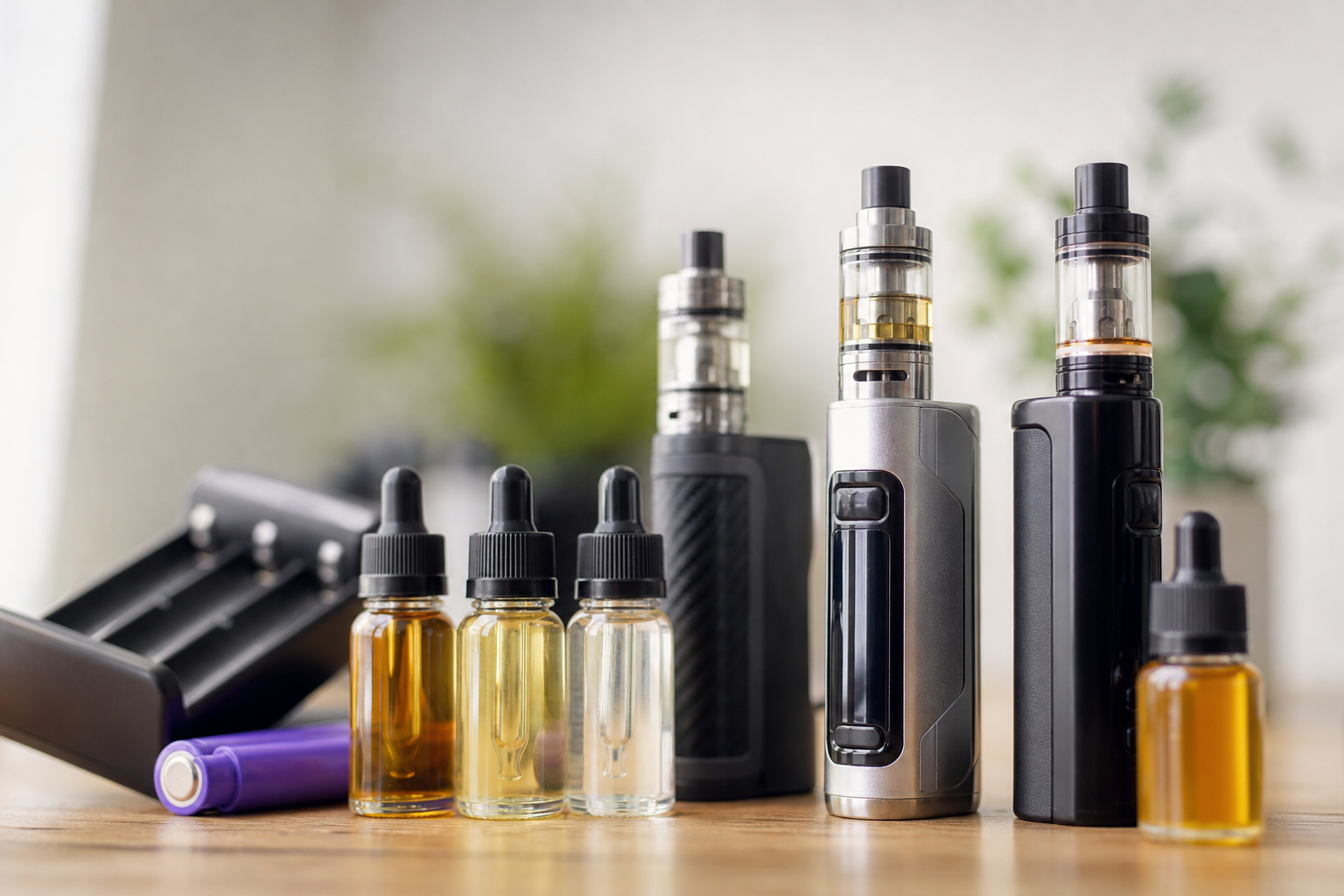
Vaping is not risk-free, but many preventable problems come down to the products people buy and the way they use them. A low price, flashy packaging, or a huge puff claim does not tell you whether a device is well made, whether an e-liquid is appropriate for it, or whether the battery will be handled safely.
Good vape safety starts before the first puff. Buy from accountable sellers, match components correctly, and treat rechargeable batteries as the high-energy equipment they are. The goal is not to make vaping complicated; it is to avoid the shortcuts most likely to create leaks, overheating, poor performance, or exposure to questionable products.
Start With a Device That Fits Your Experience
The best device for a new or occasional user is usually one with straightforward controls, clear instructions, and a charging system designed by the manufacturer for that model. Complicated high-power devices can be useful for experienced users, but they require more knowledge about coils, battery limits, and settings.
When comparing reliable vape devices, look past appearance and consider practical signs of quality:
- Clear labeling that identifies the manufacturer, model, battery or charging specifications, and intended refill or pod type.
- A manual with safety warnings, charging guidance, and troubleshooting steps.
- Solid construction, a secure pod or tank connection, and no unexplained rattling, sharp edges, or loose buttons.
- Built-in protections such as short-circuit, overcharge, overheat, and low-voltage safeguards.
- Replacement pods, coils, and other parts that are readily available from known retailers.
Avoid devices with damaged packaging, missing instructions, altered labels, or implausible claims. Extremely cheap hardware may be counterfeit, poorly assembled, or supported by no meaningful quality control. Authentic vape products are more likely to have traceable manufacturing information and compatible replacement parts, although authenticity alone does not remove all risk.
A useful vape device buying guide rule is to buy only what you can operate and maintain confidently. If you do not understand wattage adjustment, coil resistance, or removable battery specifications, choose a simpler regulated device rather than trying to learn through trial and error.
Buy E-Liquid With Traceability in Mind
E-liquid quality affects both the experience and the likelihood of avoidable problems such as harshness, leaking, burnt coils, or inconsistent nicotine delivery. Purchase sealed e-liquid from established retailers that can identify the brand and provide proper product labeling. Be cautious with unlabeled bottles, homemade liquids from unknown sources, and products sold without an ingredient list or nicotine information.
A responsible label should make it easy to identify the flavor, nicotine content, bottle size, and manufacturer or distributor. It should also include warnings and child-resistant packaging where required. If a bottle appears tampered with, has sediment or an unusual odor, or does not match the product description, do not use it.
Match the liquid to the hardware. Thinner and thicker formulations perform differently depending on the pod, coil, and airflow design. A liquid that is too thick for a small pod may not wick properly, while one that is too thin for a device designed for thicker liquid can leak. Check the device manual or manufacturer guidance before filling a refillable tank.
Nicotine strength deserves particular attention. Higher strengths can be overwhelming, especially for someone who is not accustomed to nicotine or is using a device that delivers it efficiently. Symptoms such as nausea, dizziness, headache, sweating, or a racing heartbeat may indicate excessive nicotine exposure. Stop using the product if these occur and seek medical advice promptly for severe or persistent symptoms.
Keep e-liquid sealed and out of reach of children and pets. Nicotine liquid can be dangerous if swallowed or spilled on skin. Clean spills immediately, wash exposed skin with soap and water, and follow local poison-control or emergency guidance if accidental exposure is suspected.
Treat Batteries as a Primary Safety Issue
Vape battery safety is especially important with devices that use removable lithium-ion cells. These batteries store substantial energy and can become dangerous when damaged, incorrectly charged, loosely carried, or used beyond their rated limits.
Use the charging cable, adapter, and battery type recommended by the device manufacturer. Charge on a stable, nonflammable surface where you can keep an eye on the device. Do not charge a vape under bedding, on a couch, in direct sunlight, or near flammable materials. Disconnect it once charging is complete rather than leaving it plugged in for extended periods.
With removable batteries, inspect the outer wrap before every use. A torn wrap, dented cell, corrosion, swelling, unusual heat, or leakage means the battery should be taken out of service. Do not attempt makeshift repairs with ordinary tape. Ask a reputable vape retailer or battery recycler about appropriate rewrapping or disposal options.
Battery storage matters just as much as charging. Never carry loose cells in a pocket, bag, or vehicle console where they can touch keys, coins, or other metal objects. A protective plastic battery case prevents accidental contact between terminals and reduces the chance of a short circuit. Store batteries in a cool, dry place away from heat and direct sun.
Do not mix old and new cells, different battery brands, or batteries with different charge levels in a multi-battery device. If a device requires paired cells, keep that pair together and replace both at the same time when necessary. Only use cells appropriate for the device’s power demands; the wrong battery can overheat under load.
Maintain the Device Before Problems Escalate
Basic care extends device life and supports consistent performance. Wipe condensation and leaked liquid from pod contacts, battery compartments, and charging ports. Let a newly installed coil sit long enough to absorb e-liquid before use, and begin at the lower end of its recommended power range if applicable.
Vape coil maintenance is mostly about recognizing when a coil is no longer performing safely or well. A persistent burnt taste, sharply reduced flavor, gurgling that does not clear, repeated leaking, or a major drop in vapor production can signal that it is time to replace the coil or pod. Continuing to use a scorched coil will not improve with more power and can make the experience harsher.
Do not use a device that becomes unusually hot, fires on its own, emits a strange chemical smell, or behaves erratically after a drop or water exposure. Turn it off if possible, disconnect it from charging, and place it away from combustible materials. Replacement is often the safer choice when internal damage is possible.
Make Responsible Choices at Every Step
Responsible vaping includes buying age-restricted products legally, following local rules on use and disposal, and keeping all devices and liquids secured from children and animals. It also means avoiding modifications that bypass safety features or force hardware to operate outside its design limits.
Use original parts when possible, verify compatibility before installing third-party accessories, and resist the urge to treat online tricks as safe operating advice. A dependable setup is usually a modest one: a genuine device, suitable e-liquid, correctly maintained coil, and batteries charged and stored with care.
For anyone who does not currently use nicotine, starting is not a health-neutral decision. For adults who choose to vape, thoughtful purchasing and everyday caution offer the strongest foundation for safer use.