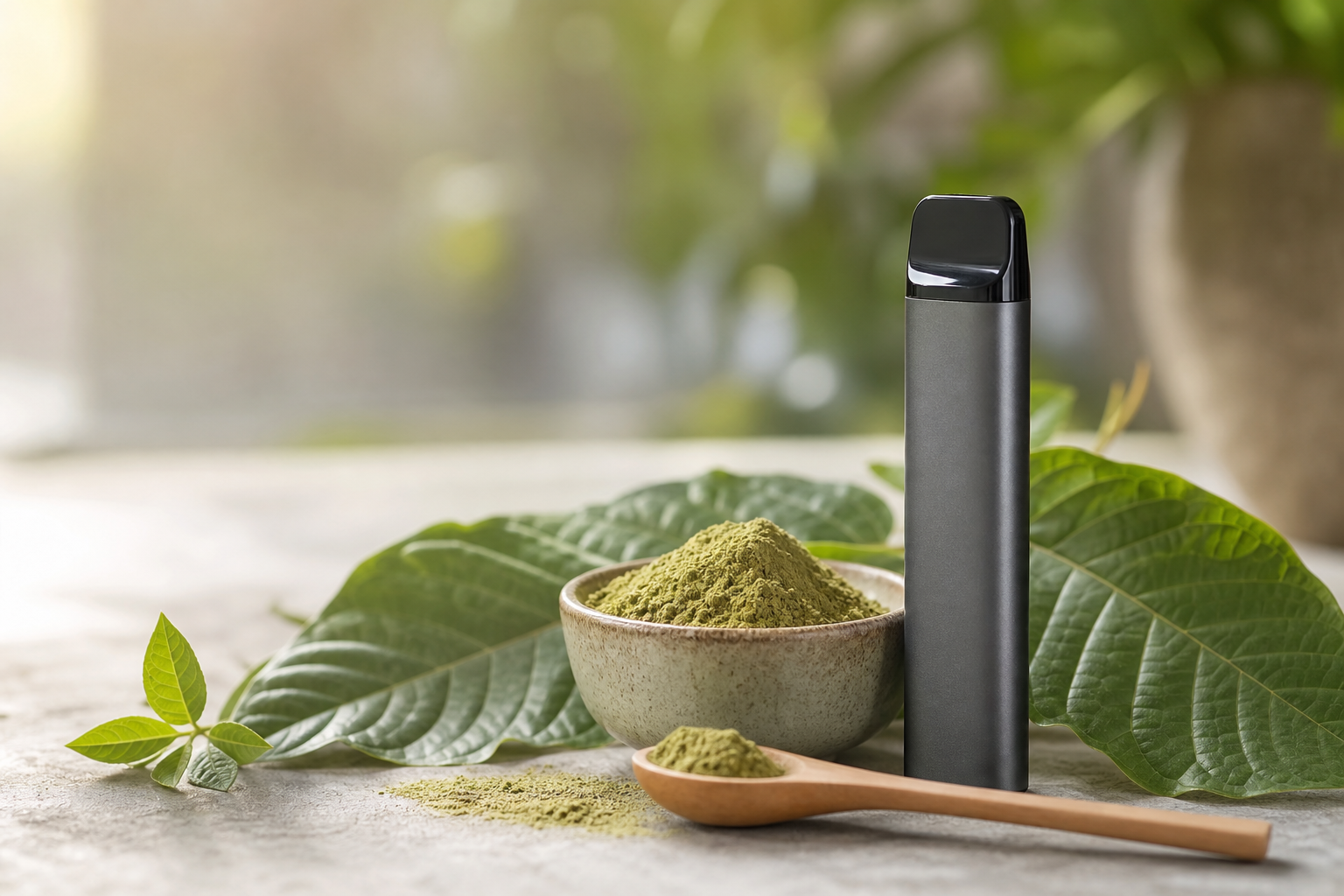
Kratom and vaping increasingly appear in the same conversations about routines, relaxation, focus, and personal wellness. That overlap makes sense: both are accessible through specialty retail channels, both have active enthusiast communities, and both can be framed as alternatives to more familiar habits. But sharing a lifestyle space does not mean they are naturally compatible—or that using them together is low risk.
For consumers, the central issue is not whether the pairing is trendy. It is whether they can identify what they are using, understand how each product affects them individually, and avoid turning a casual combination into an unpredictable routine.
Start With the Product, Not the Label
Kratom is commonly sold as dried leaf powder, capsules, tea, and concentrated extracts. Vaping products, meanwhile, can contain nicotine, cannabinoids, flavorings, or other compounds delivered through an aerosol. A product described informally as a “kratom vape” may not fit neatly into either familiar category.
The term kratom vape products deserves especially careful scrutiny. Traditional kratom alkaloids are not the same thing as a standard e-liquid ingredient, and a vape label alone does not establish that a product is well formulated, accurately dosed, or suitable for inhalation. Consumers should be wary of broad claims that an inhaled product delivers all the expected effects of conventional kratom, particularly when the label does not clearly identify ingredients and concentrations.
Do not assume that “herbal,” “botanical,” or “natural” means a product has been evaluated for vaping. Heating and inhaling a substance is different from consuming it orally. Ingredients that may be familiar in another format can behave differently when aerosolized.
Why Combining Products Can Be Hard to Predict
People use kratom for varied reasons, and people vape for varied reasons. Some seek a calming ritual; others want stimulation, flavor, nicotine satisfaction, or a substitute for smoking. When these purposes overlap, it can be tempting to use both products in the same session.
The problem is that each product can bring its own effects and side effects. Depending on the kratom product, amount, and individual response, users may experience stimulation, sedation, nausea, dizziness, sweating, or changes in alertness. Nicotine vaping can also produce stimulation, lightheadedness, nausea, and changes in heart rate. Combining substances with overlapping effects can make it harder to tell what is causing discomfort.
The evidence base on kratom and vaping used together is limited. That uncertainty is a reason for restraint, not a reason to assume there is no interaction. Even when a consumer has experience with each item separately, the combination may feel different due to timing, dose, hydration, food intake, fatigue, medications, or underlying health conditions.
Avoid the “More Is Better” Trap
Responsible consumption starts with resisting escalation. If someone is trying a new kratom product or a new vape device, adding another variable at the same time makes the experience harder to manage. It also makes it difficult to learn which product caused an unwanted reaction.
A cautious approach means avoiding simultaneous experimentation. Use only products with clear labeling, and do not increase a serving or puff frequency simply because the desired effect feels delayed. With concentrated products, waiting matters. Redosing too quickly is a common way consumers move beyond their intended level of use.
It is also wise to avoid combining kratom with alcohol, sedatives, or other substances that impair coordination or alertness. Do not drive, operate equipment, or take on safety-sensitive tasks if either product leaves you drowsy, dizzy, distracted, or otherwise impaired.
Look Beyond Marketing Claims
Herbal wellness trends can make product claims sound more certain than they are. Phrases such as “clean energy,” “mood support,” “plant-powered,” or “wellness blend” are marketing language, not proof of safety, quality, or effectiveness.
A practical kratom product guide begins with transparency. Before buying, look for a complete ingredient list, a clearly identified manufacturer or seller, batch or lot information, and accessible testing documentation when available. Avoid products that hide behind proprietary blends, make dramatic health claims, or do not specify whether they contain nicotine or other active ingredients.
For vaping products, consumers should also confirm device compatibility and follow the manufacturer’s intended use. Do not refill a device with powders, tinctures, oils, or homemade mixtures that were not designed for inhalation. Home modification introduces avoidable uncertainty about heating, contamination, and dose delivery.
Understand the Regulatory Difference
Vape regulations and kratom rules can vary substantially by location. A product sold online or in a neighboring jurisdiction may not be lawful where the buyer lives. Rules can cover age restrictions, retail licensing, nicotine content, packaging, labeling, and the sale of kratom itself.
That patchwork makes careful purchasing more important. A retailer carrying both types of products is not necessarily confirming that every item has the same regulatory status or quality controls. Consumers should check applicable local rules, especially before traveling with products or ordering across state or national lines.
Regulation is not a complete measure of safety, but a seller’s willingness to provide basic product information and comply with applicable requirements is a meaningful part of vape consumer awareness.
Pay Attention to Your Own Signals
Kratom safety is not only about the package. Individual factors matter. People who are pregnant or breastfeeding, have a history of substance-use concerns, live with heart, liver, respiratory, or mental health conditions, or take prescription medications should speak with a qualified healthcare professional before using kratom or vaping products. This is particularly important when considering combinations.
Stop using the products and seek medical advice promptly if troubling symptoms develop, such as chest discomfort, difficulty breathing, fainting, severe agitation, confusion, persistent vomiting, or an unusually rapid or irregular heartbeat. For urgent or severe symptoms, seek emergency care.
Consumers should also be honest about routine. A vaping lifestyle can become highly habitual because a device is portable and easy to reach for throughout the day. Kratom use can likewise shift from occasional to frequent if it becomes the default answer to stress, fatigue, or discomfort. Tracking when and why products are used can reveal whether a choice still feels intentional.
Make Community Advice a Starting Point, Not a Substitute
The kratom community can be valuable for sharing practical experiences, vendor questions, and harm-reduction habits. Still, one person’s preferred blend, serving size, or vape setup is not a personalized safety recommendation. Tolerance, health history, product potency, and device design differ too much for another consumer’s routine to be copied without thought.
The most sensible approach to kratom and vaping is a conservative one: know exactly what is in each product, avoid improvised inhalation methods, introduce only one new variable at a time, and treat unwanted effects as useful information rather than something to push through. Wellness choices should leave room for clear judgment, not make clear judgment harder to maintain.