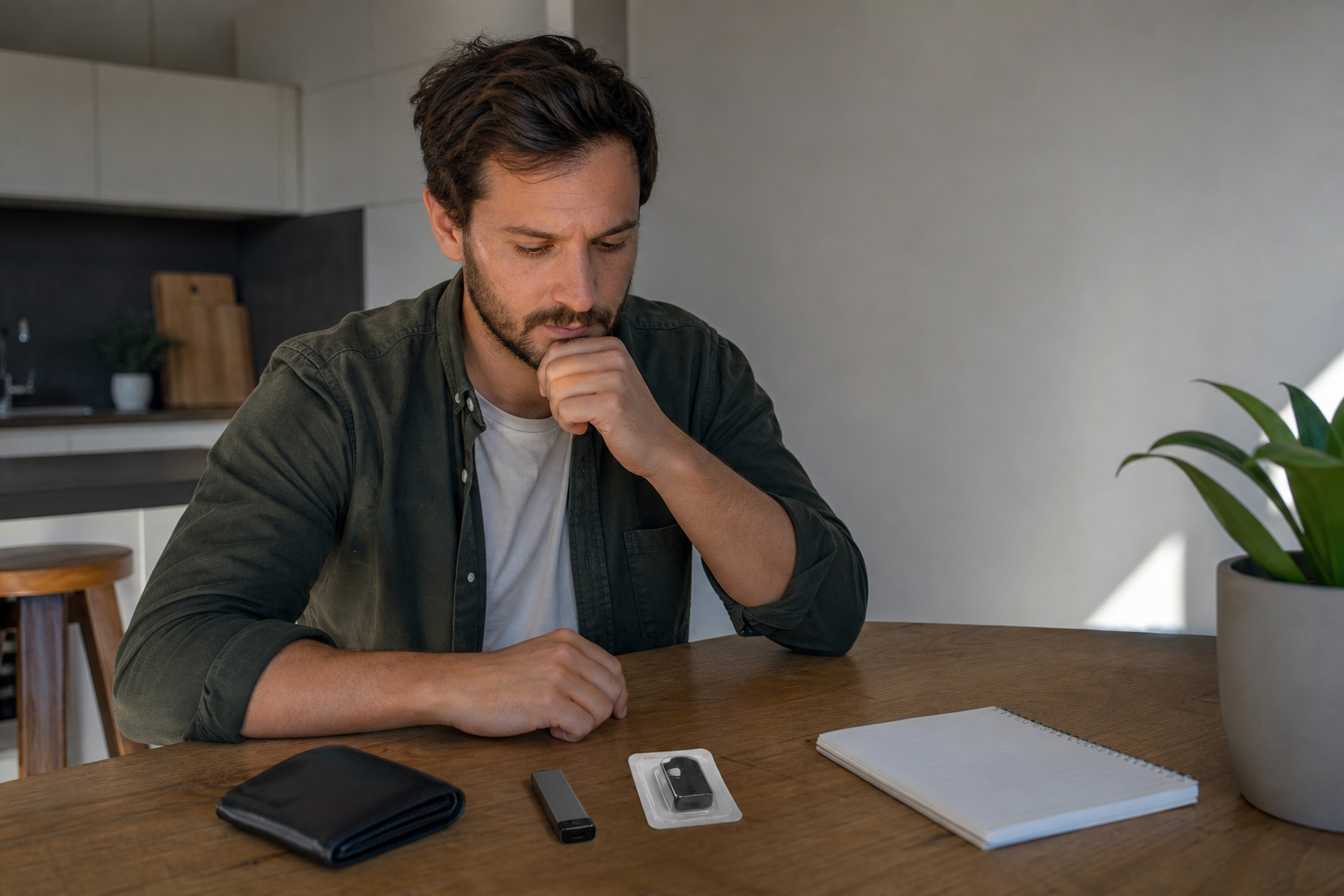
The vape smoking price shown on a shelf is rarely the full cost of using a device. A low upfront price can lead to frequent replacements, while a refillable setup may require more planning, maintenance, and purchases before it is usable. Local rules, taxes, product availability, and nicotine use also affect what a person ultimately spends.
The overlooked question is not simply, “What does this vape cost?” It is, “What will this choice require from me over time?” That includes money, convenience, product reliability, legal compliance, and whether vaping supports or works against your health goals.
What it costs or requires: vape smoking price
The upfront purchase is only one part of the cost
Vape products generally fall into a few broad groups: disposable devices, rechargeable pod systems, refillable devices, and replacement components. Each creates a different spending pattern.
Disposable products tend to be straightforward at checkout. The device comes ready for use and is discarded when depleted or no longer functioning. That convenience may suit someone who does not want to charge equipment or manage refills, but repeat purchases can add up quickly when use is regular.
Rechargeable pod systems commonly require a device and compatible pods. The initial setup may involve more than one item, but future spending is tied to replacement pods rather than a wholly new device. Availability matters: a low-cost device is not a good value if the compatible pods are difficult to find where you live.
Refillable devices require the most hands-on involvement. Beyond the device, users may need e-liquid, replacement coils or pods, charging equipment, and occasional cleaning supplies. They can offer more control over nicotine strength and flavor, but they also create more opportunities for leaks, incorrect setup, and unnecessary purchases.
| Product type | What you buy initially | Ongoing requirements | Main cost risk |
|---|---|---|---|
| Disposable device | A ready-to-use device | Replacing the whole device | Frequent repeat purchases |
| Rechargeable pod system | Device and compatible pod | Pods and charging | Pod availability and regular replacement |
| Refillable device | Device, liquid, and replaceable parts | Liquid, coils or pods, maintenance | Buying accessories or parts that do not fit |
Taxes, location, and legal availability can change the total
The shelf price can differ substantially by location. Taxes and local restrictions may affect which products may be sold, how they are packaged, and where they can be purchased. A price seen online may not reflect shipping charges, delivery conditions, applicable taxes, or whether a product can legally be sent to your location.
Age restrictions and retail rules also apply. Buy only from sellers that follow the law and verify eligibility where required. Avoid treating a lower price as a reason to bypass local requirements; a product that is improperly sold or not permitted locally can create much bigger problems than a modest difference at checkout.
If you travel, do not assume a product that is available at home is available or lawful elsewhere. Rules can vary across state, local, and international boundaries.
Nicotine strength changes how quickly products are used
A device’s apparent value depends partly on how someone uses it. Nicotine concentration, frequency of use, device output, and inhalation habits can all affect how long a disposable, pod, or bottle of e-liquid lasts.
Packaging claims, including puff estimates, should not be treated as a personal spending forecast. They are not a guarantee of duration because real-world use differs widely. Rather than relying on a label alone, track when you open a product and when you replace it. After a few purchase cycles, you will have a more useful picture of your own consumption.
People who find themselves using nicotine more often than intended should treat that as a health and budget signal, not merely a reason to buy in greater quantity. Nicotine can be addictive. If reducing or stopping is the goal, support from a qualified healthcare professional or tobacco-cessation service may be more helpful than switching devices repeatedly.
Quality and safety are part of the price
Very inexpensive products are not automatically a bargain. A device that leaks, has a weak battery, produces an unpleasant taste, or fails early can turn into wasted money. The same applies to products with unclear labeling, unknown ingredients, damaged packaging, or no obvious way to identify the maker or seller.
Before buying, look for clear product information, intact packaging, and compatibility details. For rechargeable products, use the appropriate charger and follow the manufacturer’s instructions. Do not use damaged batteries or devices that become unusually hot, leak, or behave unpredictably.
Buying from a legitimate retailer is not just about convenience. It gives you a clearer path to ask questions about compatibility, returns where permitted, and product handling. Be cautious with informal resale listings or products that seem disconnected from normal retail channels.
Health costs deserve a place in the decision
Vaping is not risk-free. Most nicotine vape devices heat liquid into an aerosol rather than burning tobacco, but that does not make routine inhalation harmless. The potential health consequences are especially important for people who do not already use nicotine, are pregnant, are young, or have health concerns that nicotine or inhaled aerosol could worsen.
For an adult who already smokes combustible cigarettes, the decision may be different from the decision for someone who does not use tobacco or nicotine at all. The most financially and health-protective option for a non-user is not to start vaping. For a smoker considering a change, it is worth discussing cessation options with a healthcare professional rather than viewing vaping only as a consumer purchase.
How to decide
Start with your actual goal
A clear goal prevents impulse purchases. Ask which description fits best:
- You do not currently use nicotine and are considering trying vaping.
- You vape occasionally and want to control spending.
- You vape regularly and want fewer unexpected replacement costs.
- You smoke cigarettes and are looking for a route away from combustible tobacco.
- You want to reduce or stop nicotine use altogether.
If you do not use nicotine now, avoiding a first purchase avoids both the ongoing expense and the possibility of nicotine dependence. If your goal is to stop nicotine, buying a more elaborate device may not move you closer to that outcome. A cessation plan, professional guidance, and practical support may be a better fit.
Compare the full ownership experience
Use a simple comparison before choosing a format. The right choice is not necessarily the least expensive item today; it is the option whose requirements you understand and can manage responsibly.
| Question to ask | Why it matters |
|---|---|
| Will I need to replace the entire product or only a component? | This determines the repeat-purchase pattern. |
| Can I reliably buy compatible parts from lawful retailers? | A device has limited value without available pods, coils, or liquid. |
| Am I willing to charge, clean, and maintain it? | More maintenance can mean more control, but also more hassle. |
| Is the nicotine level aligned with my goal? | Higher use than intended can increase both spending and dependence concerns. |
| Is the product clearly labeled and undamaged? | Clear information supports safer purchasing decisions. |
| Could I put this money toward reducing nicotine use instead? | This keeps the health goal visible. |
Make a short spending record
Do not guess based on a single purchase. Keep a brief record of what you buy, when you buy it, and why. Include devices, pods, e-liquid, chargers, replacement parts, and delivery or convenience-store purchases. This can reveal whether a supposedly inexpensive option is driving frequent replacement buying.
Also note situations that prompt extra use: commuting, social settings, stress, alcohol use, boredom, or keeping a device close at hand. The purchase pattern may be tied less to product quality than to routine nicotine use.
Once you see the pattern, set a practical rule. That might mean purchasing only what you planned, avoiding backup devices that encourage excess use, or setting a reduction goal. If you cannot follow a limit you set for yourself, that is a useful sign to seek cessation support.
Avoid false savings
Bulk buying, unfamiliar brands, and bargain accessories can look like savings but may create waste. Do not buy a large supply merely because a seller frames it as a deal, especially if you are uncertain about legality, freshness, compatibility, or whether you actually want to continue vaping.
Avoid counterfeit-looking products, altered devices, and unlabeled e-liquids. Never try to refill a product that was not designed to be refilled. Keep e-liquid and devices away from children and pets, and handle leaks promptly because nicotine liquid can be hazardous if swallowed or spilled on skin.
Decide whether the best purchase is no purchase
Price comparison is useful, but it should not obscure the bigger choice. If vaping is becoming an unplanned expense, increasing nicotine dependence, or causing health concerns, the most sensible next step may be reduction or cessation rather than finding a cheaper device.
For smokers trying to move away from cigarettes, a clinician, pharmacist, or tobacco-cessation program can help weigh evidence-based options and build a plan. Support matters because changing nicotine habits is often harder than choosing a product.
FAQ
How long does a $20 vape last?
There is no reliable universal answer. How long a $20 vape lasts depends on the device, its battery, the amount of liquid it contains, nicotine strength, and how often it is used. Package puff claims are estimates rather than a promise. Tracking your own use over several purchases is more informative than relying on a price point.
Can I get a vape for $20?
Products may be offered around that price in some locations, but availability and final cost can vary with taxes, local rules, retailer pricing, and product type. Before buying, check whether it is legally sold where you are, whether the packaging is intact, and whether future replacements or compatible components will be available.
Is one vape equal to 100 cigarettes?
A direct comparison is not dependable. Cigarettes and vape devices deliver nicotine differently, and individual use varies by device design, nicotine concentration, and behavior. A puff-count claim should not be interpreted as an equal number of cigarettes or as a measure of health risk.
Can I get a vape for $10?
Some products may appear at that price, but a very low price should prompt careful checks. Confirm the seller is legitimate, the product is lawful in your area, labels are clear, and the device is not damaged or altered. The lowest upfront cost can be poor value if the product fails quickly or must be replaced often.