Introduction
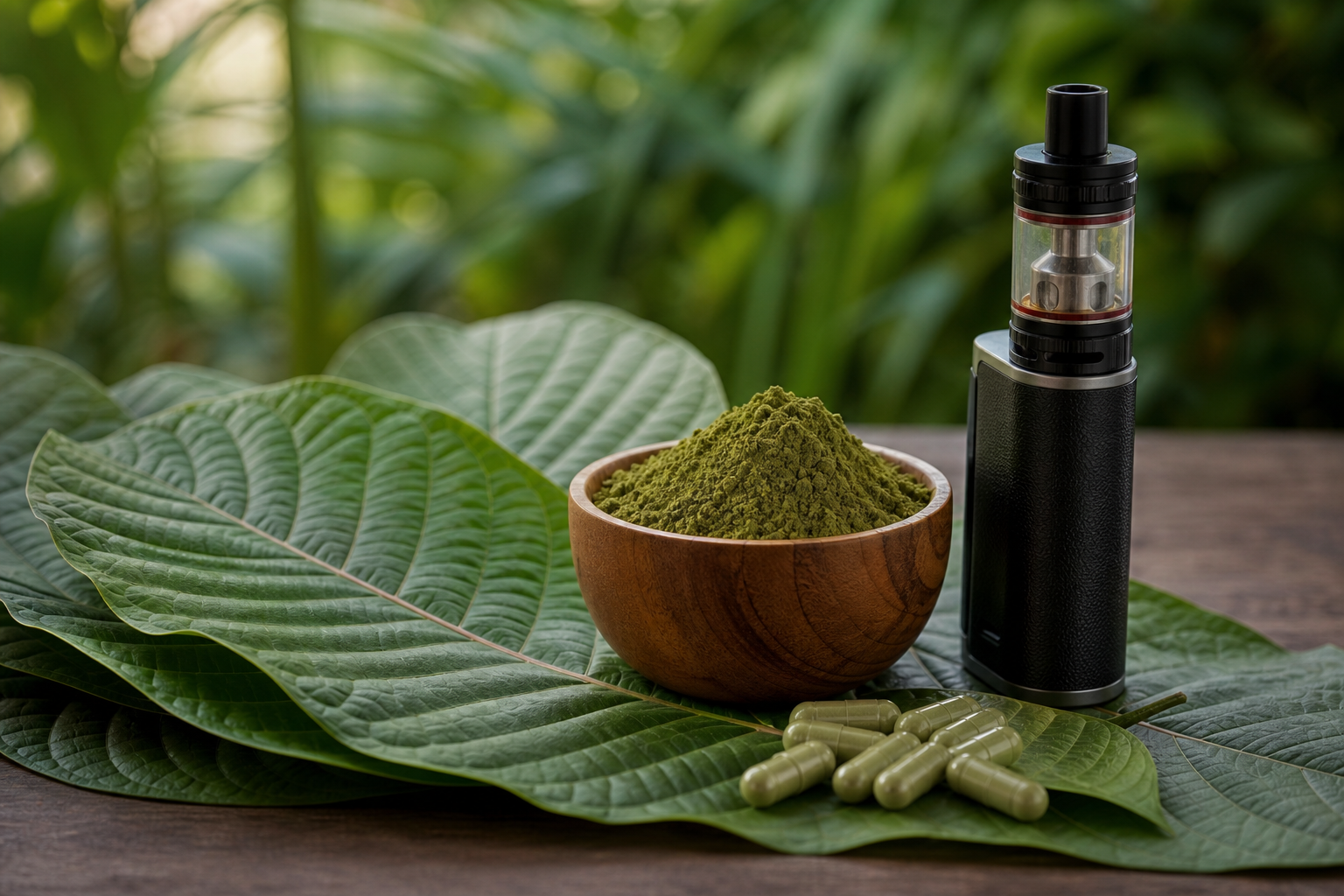
Over the past decade, trends in alternative wellness have shifted significantly, with growing consumer interest in products like vaping devices and kratom. While both have been popularized due to their perceived benefits, they are subjects of ongoing debate. This article aims to delve into the intersection between vaping and kratom use, examining potential health benefits, risks, and the shifting landscape of public perception and regulation.
A Brief Overview of Vaping and Kratom
Vaping is a method of consuming nicotine or other substances using an electronic device, often seen as a “safer” alternative to smoking. As health awareness grows, many consumers have been drawn to perceived reduced health risks compared to traditional smoking.
Kratom is a natural botanical product derived from the leaves of the Mitragyna speciosa tree native to Southeast Asia. Used traditionally for its stimulant and pain-relieving properties, kratom has gained traction in Western markets as a potential alternative for managing pain, anxiety, and opioid withdrawal.
The Intersection of Vaping and Kratom
With the rise in consumer preferences, there has been a growing trend of combining these two products. Some individuals are opting for kratom e-liquids that can be vaporized, citing ease of use and faster delivery of effects as main advantages. This union marks a fascinating point for both vaping and kratom communities.
Potential Benefits
-
**Accessibility and Convenience: **
Vaping provides a convenient way to consume kratom, allowing users to enjoy its benefits without the need to brew it as a tea or consume it in powdered form. -
Controlled Dosing:
Vaping allows for more precise control over dosage, minimizing the risk of consuming more than necessary. -
Rapid Onset:
The inhalation method offers faster onset compared to oral ingestion due to absorption in the lungs, which is particularly appealing to those seeking immediate relief.
Associated Risks
-
Health Concerns:
While often marketed as safer, vaping is not risk-free. There are emerging concerns about the long-term health effects of inhaling vaporized substances. -
Lack of Regulation:
Unlike other pharmaceuticals and wellness products, vaping products containing kratom are not strictly regulated, raising concerns over product quality and consistency. -
Potential for Misuse:
There’s the potential for misuse without proper knowledge of dosages, especially in the absence of robust, standardized guidelines.
Usage Trends and Public Perception
Public interest in natural and holistic health remedies is on the rise. Many consumers prefer alternative health solutions over pharmaceutical interventions. This trend helps explain the allure of both vaping and kratom.
Despite their popularity, there is significant skepticism and concern from health authorities and portions of the public. Public perception often oscillates between viewing these as legitimate alternatives to standard treatment and concerning new age trends that could pose future health risks.
Regulation Landscape
The regulatory regime surrounding vaping and kratom is inconsistent and varies greatly by region.
-
Vaping has seen tighter restrictions with some regions pushing for bans on flavored e-liquids due to attractive marketing to younger demographics.
-
Kratom’s legal status is complex, with it being banned or restricted in several countries while remaining legal and accessible in others.
Efforts are underway by various national bodies to create clearer guidelines and regulations aimed at safeguarding consumers.
Conclusion
Vaping and kratom represent two significant trends in modern holistic health but carry both potential benefits and noteworthy risks. Users should approach these products with caution, robust knowledge, and an awareness of their own health needs and compliances with local regulations. As regulatory bodies continue to navigate this evolving landscape, education and informed consumer choice must remain at the forefront of this intersection of wellness and innovation.