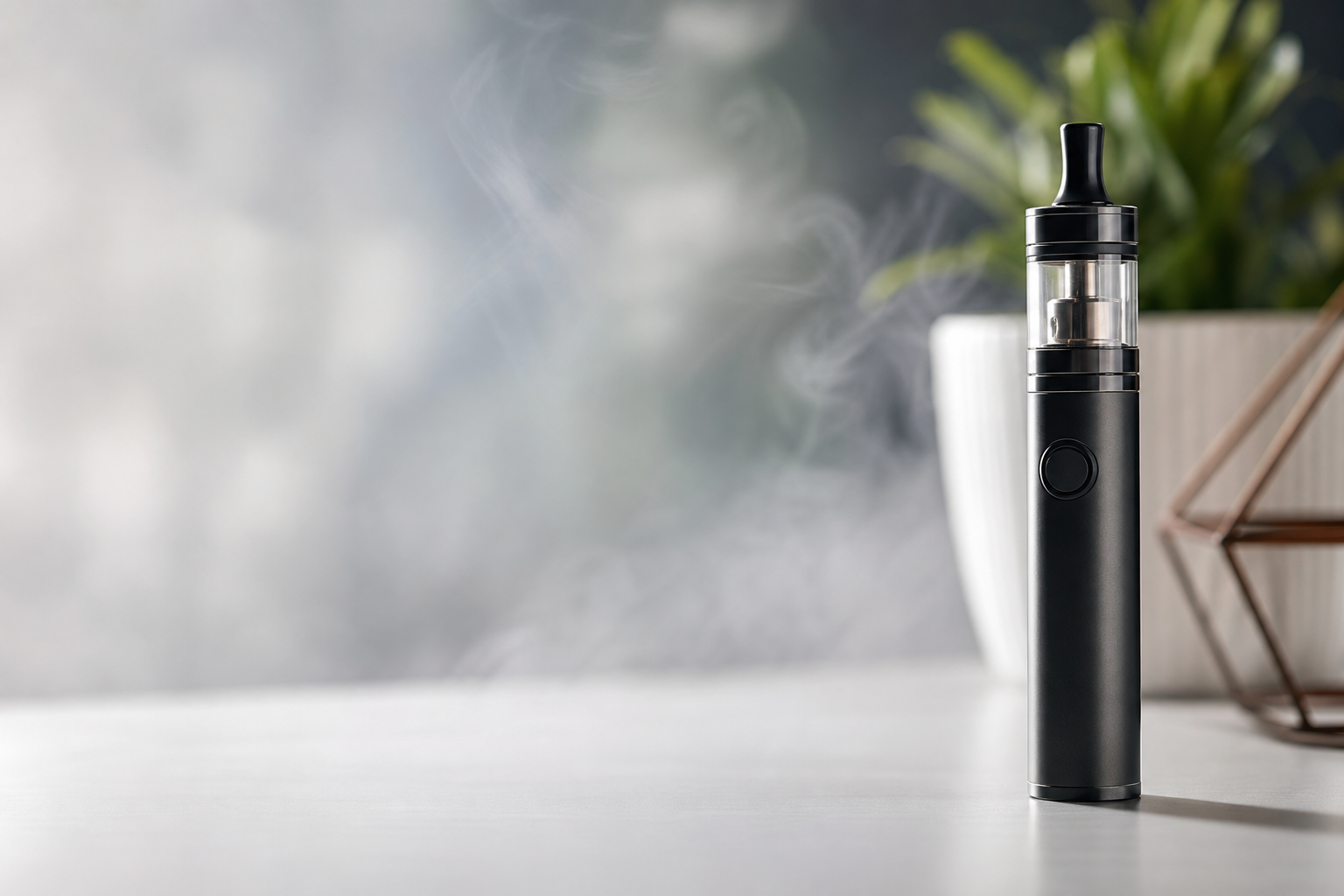
In recent years, vaping has emerged as a popular alternative to traditional smoking, sparking debates, research initiatives, and controversy among the medical community and general public alike. As this trend proliferates, it becomes imperative to dissect the tangled webs of truth and fiction surrounding vaping health effects. This article delves into the realm of vape myths and realities, exploring nicotine addiction, lung health, and e-liquid safety for a comprehensive assessment of vaping versus smoking.
The Myth of the “Safe Smoke”
One of the most pervasive vape myths is the notion that e-cigarettes are entirely safe. Marked as a healthier alternative to smoking, many users assume vaping poses no health risks. Fact: While vaping may expose users to fewer harmful chemicals than combustible tobacco, it is not devoid of danger. The long-term effects of vaping remain a mystery due to its relatively recent rise. Nevertheless, emerging studies have identified potential short-term effects such as lung irritation, coughing, and shortness of breath.
Understanding Nicotine Addiction
A common misconception about vaping is that it doesn’t lead to nicotine addiction because it lacks the harshness of traditional smoke. Fact: Despite its smoother delivery, e-cigarettes typically contain nicotine—a highly addictive substance that can lead to dependence. A rise in “nicotine-naïve” teen vapers substantiates the concern that vaping can pave the way to full-fledged nicotine addiction, highlighting its capacity to create significant public health concerns.
The Lung Health Debate
Dramatic headlines claiming “vaping is safer for your lungs” often mislead the public. Fact: While vaping may lessen exposure to tar, it is not devoid of lung-related health risks. “Popcorn lung,” a chronic and obstructive pulmonary disease linked to inhaling diacetyl, exemplifies the potential threat e-liquids pose. Despite this, burning tar, a prominent lung cancer risk, is absent in vaping, projecting it as potentially “less harmful” than smoking.
E-Liquid Safety: A Double-Edged Sword
E-liquids, the essential component of vapes, are the focal point of numerous safety speculations. Fact: While some e-liquids are approved for human consumption (such as food-grade flavorings), that doesn’t equate to safety when inhaled. The lack of stringent regulation means that contaminants—like heavy metals from poorly manufactured vapes—remain a potential hazard.
Vaping vs. Smoking: The Lesser of Two Evils?
Venturing into the “vaping versus smoking” debate reveals unsettling intricacies. Fact: Studies typically acknowledge vaping as less harmful than smoking, primarily due to the absence of combustible tobacco products. While this underscores vaping as a potential harm-reduction tool, it’s crucial to recognize that “less harmful” doesn’t equate to “safe.”
Teen Vaping Trend: A Growing Concern
Teen vaping trends have raised alarms within public health circles, igniting fears of an impending addiction crisis. Fact: The attractive marketing of flavored e-liquids and influencer endorsements have led to a surge in new, younger users. With vaping offering more discretion than traditional cigarettes, the uptick in usage among teens threatens a new generation with potential nicotine addiction.
Confronting Misconceptions about Vaping
Addressing misconceptions about vaping is vital for improving public cognition and health outcomes. Holding positive assumptions about vaping without critical evaluation can mislead individuals into inadvertently prioritizing vaping over healthier alternatives.
Conclusion
As the battle between myths and facts endures, it is clear that vaping is not free from health risks. Although framed as a “safer alternative,” vaping should not be perceived as a harbinger of wellness. Efforts must persist in educating the public, especially youth, about the genuine risks associated with vaping while promoting scientifically-backed cessation resources. As more research becomes available, continuing the examination of vaping’s long-term effects is crucial for protecting future generations from unwittingly benefiting from an industry shrouded in dense smoke.