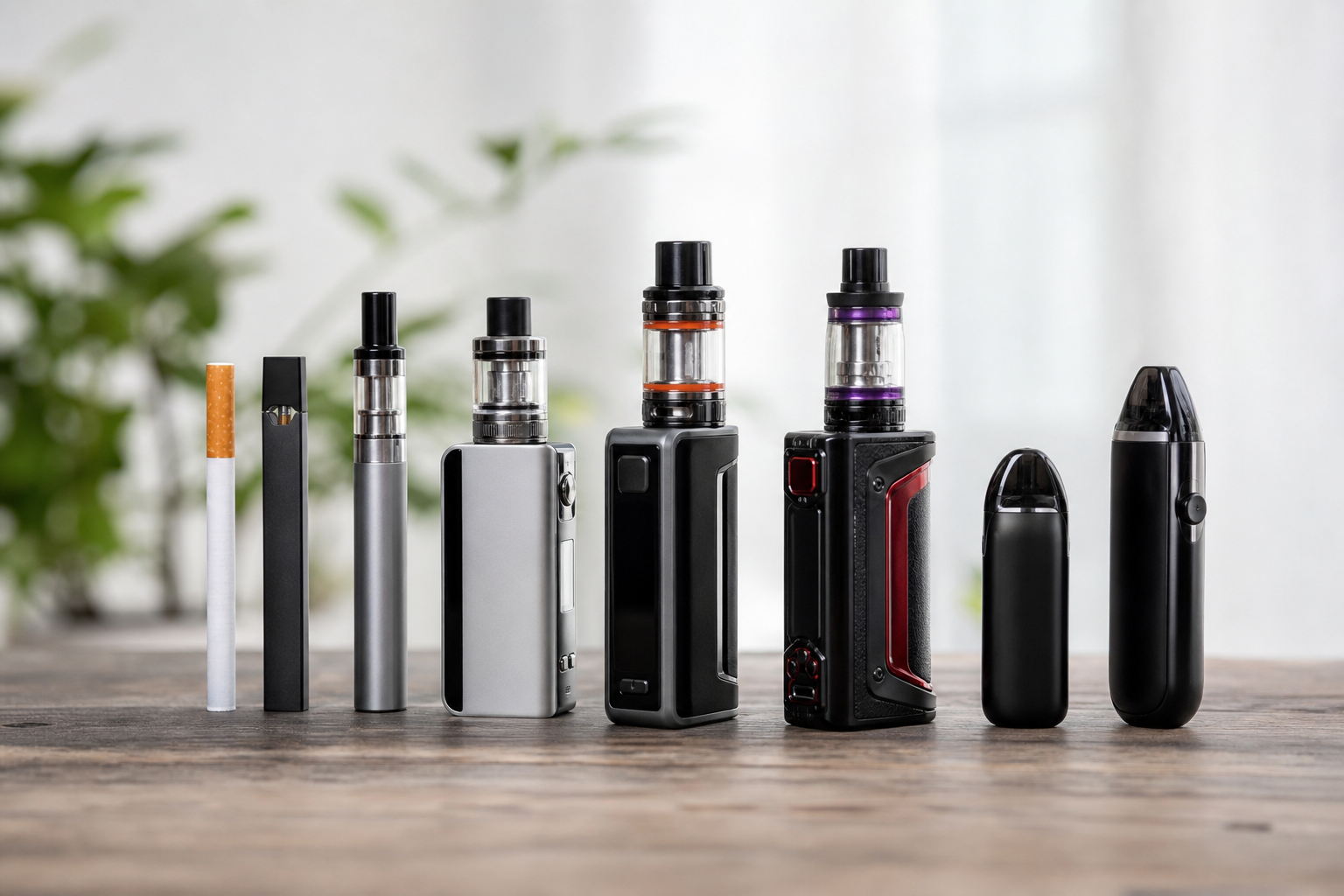
The landscape of vaping technology has evolved dramatically since the emergence of e-cigarettes as a smoking alternative. Over the past few years, this technological evolution has transformed vaping from rudimentary electronic devices to sophisticated pieces of innovation, capable of providing personalized experiences to users. Understanding the trajectory and current trends of vaping technology can shed light on the future of this rapidly advancing industry.
Beginnings with E-cigarettes
The concept of electronic cigarettes, or e-cigarettes, dates back to the early 2000s. Initially introduced as an alternative to traditional tobacco smoking, e-cigarettes mimicked the sensation and appearance of cigarettes without the harmful combustion process. A simple design, primarily consisting of a battery, an atomizer, and a nicotine-infused liquid, laid the foundation for modern vaping technology.
Emergence of Vape Mods
As vaping gained popularity, user demand for devices that offered more control over the vaping experience led to the advent of vape mods. Vape mods are more advanced than their predecessors, allowing users to modify settings such as wattage, voltage, and temperature. This level of customization paved the way for hobbyists to enter the scenario, encouraging them to explore endless combinations of settings and setups that best suited their preferences.
Innovations with Pod Systems
Efficiency and convenience became the focus as technology advanced, ushering in the development of pod systems. Unlike their bulkier counterparts, these compact devices provided portability without sacrificing performance. Pod systems simplified the user experience with pre-filled cartridges and increasingly streamlined designs, making them popular among beginners and seasoned users alike.
The Excellence of Vape Coils
Vape coils play a critical role in heating e-liquids and producing vapor. As vaping technology evolved, the focus shifted to creating vape coils capable of supporting high-performance vaping without compromising on flavor or vapor production. Many modern coils utilize ceramic, mesh, and other advanced materials, resulting in an improved and consistent vaping experience.
Temperature Control Vaping: The Next Step
A major leap in vaping technology was the introduction of temperature control (TC) vaping. TC technology allows vapers to set maximum temperature limits, preventing the liquid from burning and minimizing the release of harmful chemicals. This innovation not only extends the life of coils but also enhances flavor, making it a preferred choice for many vapers today.
Dry Herb Vaporizers and Beyond
Though primarily associated with e-liquids and nicotine consumption, vaping technology expanded its reach to include dry herb vaporizers. These devices allow users to vaporize plant materials for both therapeutic applications and recreational purposes. The evolution of dry herb vaporizers reflects the industry’s adaptation to varied consumer needs and preferences.
Rise of Nicotine Salts
Traditional freebase nicotine was the norm until the emergence of nicotine salts. Introduced primarily to enhance the user experience by providing a smoother, faster nicotine hit, nicotine salts have become an integral part of the contemporary vaping landscape. Their introduction has facilitated a broader range of flavors and has catalyzed the quest for even more refined formulations.
Sub-ohm Vaping and Cloud Chasing
With enthusiasts seeking more intense flavor and larger cloud production, sub-ohm vaping gained traction. Devices with low-resistance coils below one ohm facilitated higher wattage output and increased flavorsome vapor production. This led to “cloud chasing,” a sport-like practice focused on producing the largest clouds of vapor possible.
Industry Advancements and Future Prospects
The vape industry has demonstrated an incredible capacity for innovation, continuously refining technologies to meet evolving consumer demands. Future advancements will likely focus on improving safety, enhancing user experience, and introducing new formulations and delivery mechanisms. Sustainability and environmental concerns may drive developments in reusable materials and eco-friendlier designs.
The evolution of vaping technology is a testament to human ingenuity, adaptability, and the desire to improve upon existing concepts. As the industry continues to chart its course, vapers worldwide await the next innovation that will redefine their experience once again.