The symptom: when the benefits of vaping do not feel real
You may have switched from cigarettes, cut down, or started vaping expecting easier breathing, less smoke smell, more control over nicotine, or a simpler route away from smoking. Instead, you still feel dependent, have throat irritation or coughing, continue smoking alongside vaping, or simply do not feel better.
That does not necessarily mean you have failed. It usually means the expected benefit was based on the wrong comparison, the device or nicotine setup is not working for you, or vaping has become an additional nicotine habit rather than a replacement for smoking.
The crucial distinction is this: any potential harm-reduction value applies most clearly when an adult who smokes cigarettes switches completely away from combustible tobacco. Vaping is not a health upgrade for someone who does not smoke, and it is not risk-free for anyone.
Is there a healthy way to vape?
There is no risk-free way to inhale nicotine aerosol. The lower-risk decision for a person who does not use nicotine is not to start.
For an adult smoker who cannot stop nicotine use immediately, replacing cigarettes rather than combining them with vaping may reduce exposure to many of the harmful products created by burning tobacco. The longer-term goal can still be reducing dependence and stopping nicotine altogether, if that is what you want.
Causes, most likely first
Ranked causes of disappointing results
-
You are vaping and smoking rather than switching completely.
Dual use can preserve the routines, nicotine dependence, and smoke exposure you hoped to leave behind. A vape used only between cigarettes may ease cravings briefly without changing the core pattern.
-
Your nicotine level does not match your former smoking pattern.
Too little nicotine can leave you reaching for cigarettes or vaping constantly. Too much can cause unpleasant effects such as nausea, dizziness, headaches, jitters, or a racing heartbeat. Nicotine needs vary with the product, how it is used, and personal tolerance.
-
The device, liquid, or technique is irritating your throat and lungs.
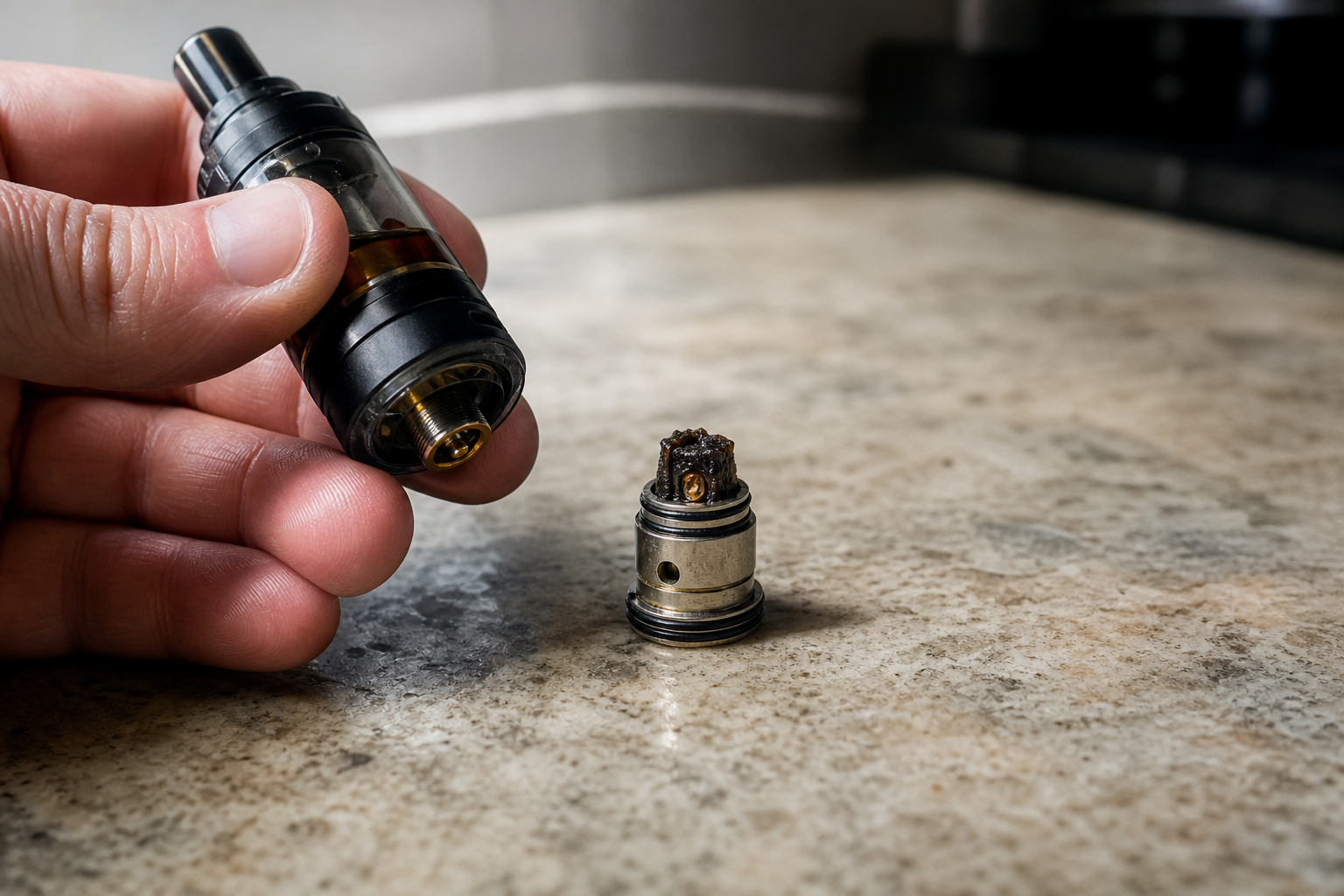
Dry hits, a burnt coil, a leaking device, frequent harsh inhalation, or ingredients that do not agree with you can make vaping feel worse rather than more manageable. Continuing to use damaged or poorly maintained equipment is a common avoidable problem.
-
You expected immediate health changes.
Stopping cigarettes can change daily routines and reduce smoke exposure, but it does not erase previous smoking-related effects overnight. Coughing can also have many causes, including respiratory illness or an underlying condition that needs clinical attention.
-
Vaping is maintaining the habit cues that made smoking hard to quit.
A device that is always within reach can attach nicotine use to driving, work breaks, stress, alcohol, social settings, and boredom. You may be smoking less while feeling just as controlled by the next dose.
-
You started vaping without having smoked.
In that situation, there is no cigarette-related harm to replace. The likely outcome is new nicotine dependence, expense, and exposure to airway irritants—not a meaningful health benefit.
-
A health concern is being mistaken for a device problem.
Persistent shortness of breath, chest pain, coughing blood, severe vomiting, fainting, or worsening breathing deserves urgent medical assessment. Do not keep changing products while hoping serious symptoms will pass.
What are the pros and cons of vape?
For an adult who currently smokes cigarettes, the possible advantage is practical: a non-combustible nicotine product may help make a complete move away from smoking feel achievable. It also avoids cigarette smoke, ash, and the smell associated with burning tobacco.
The drawbacks matter. Vapes can sustain nicotine dependence, irritate the airways, expose users to chemicals in aerosol, and create battery and liquid-safety concerns. They are not appropriate for children, young people, pregnant people, or adults who do not use nicotine.
| Situation | Likely trade-off |
|---|---|
| Completely replacing cigarettes | May be a harm-reduction step, but still carries health risks and nicotine dependence |
| Using cigarettes and a vape together | Often preserves the risks and routines of smoking while adding another nicotine product |
| Vaping after never smoking | Introduces risk without replacing cigarette smoke exposure |
| Using vaping as a temporary quit aid | Can be useful only when paired with a clear plan to step down and stop |
How to fix each one
If you are doing both: make a clear choice about cigarettes
If your goal is to move away from smoking, set a specific plan for cigarettes rather than treating vaping as a casual add-on. Identify the cigarettes that feel hardest to give up, such as the one linked to coffee, a commute, or stress. Prepare an alternative for each trigger: a walk, water, gum, breathing exercises, or support from someone who knows your plan.
If you are not ready to stop cigarettes completely, be honest about that. Reducing can be a meaningful step, but it is different from receiving the potential benefits of a full switch.
If cravings or side effects are the problem: reassess nicotine use
Do not respond to every craving by taking repeated deep puffs. Notice whether you are craving nicotine, responding to a familiar cue, or trying to soothe anxiety.
If withdrawal is pushing you back to cigarettes, consider speaking with a pharmacist, clinician, or stop-smoking service about regulated nicotine-replacement options and quit support. These can offer a more predictable dose and a structured way to taper. If nicotine side effects are occurring, stop using the product and seek advice before resuming.
If the vape tastes burnt or feels harsh: stop using that setup
A burnt taste, overheating, leaking, or damaged battery is a reason to stop using the device until it is safely inspected, cleaned, or replaced according to its instructions. Do not modify batteries, use a charger not intended for the device, or use a damaged product.
Avoid unregulated or altered liquids. Keep liquids away from children and pets, as nicotine liquid can be dangerous if swallowed or spilled on skin. If irritation continues even with properly functioning equipment, stopping vaping is the sensible response rather than trying to push through it.
If you expected a quick physical turnaround: track what is actually changing
Focus on observable changes rather than a vague feeling of wellness. Are you smoking fewer cigarettes? Are you able to go through a routine without smoking? Is your cough improving, stable, or worsening? A simple note can reveal whether vaping is moving you toward your goal or just extending nicotine use.
Do not assume that ongoing cough, wheeze, or breathlessness is a normal adjustment. Get medical advice, especially if symptoms are new, severe, or persistent.
What does 1 year of vaping do to you?
There is no single answer. Effects depend on whether you previously smoked, whether vaping replaced cigarettes or was added to them, the nicotine level, device use, and individual health.
After a year of exclusive vaping following cigarette smoking, a person may have avoided a year of cigarette smoke exposure. That does not make vaping harmless or guarantee that symptoms will disappear. After a year of vaping without prior smoking, the main concern is that nicotine dependence and airway exposure may have become established.
What do 3 years of vaping do?
Longer use does not turn vaping into a harmless habit. The same central questions remain: Are cigarettes still involved? Is nicotine dependence getting stronger or weaker? Are there respiratory or cardiovascular symptoms that need evaluation?
If vaping was originally a bridge away from cigarettes, three years is a useful point to revisit whether the bridge has become the destination. A gradual nicotine-reduction plan, behavioral support, or an alternative cessation method may better match your goal.
How to prevent it next time
Start with a goal that can guide every decision. “I want to stop cigarettes” is clearer and safer than “I want to vape more comfortably.” If you do not smoke, do not start vaping for perceived wellness, stress relief, or social reasons.
For smokers considering a switch, avoid carrying forward the same automatic nicotine routines. Decide which triggers need non-nicotine replacements before they arise. Keep cigarettes out of your usual spaces, tell a supportive person what you are trying to do, and plan for setbacks without treating one cigarette as a reason to abandon the effort.
Use only products as directed, store them securely, and stop using equipment that is damaged, hot, leaking, or producing a burnt taste. Never share mouthpieces when illness is circulating.
Most importantly, set a review point for yourself. If vaping has not helped you leave cigarettes behind, is worsening symptoms, or is making nicotine feel more central to your day, change course. A clinician, pharmacist, or local stop-smoking service can help you choose a route that is safer and more likely to fit your situation.